 [ Libra NëLinjë ]
Përshkrimi
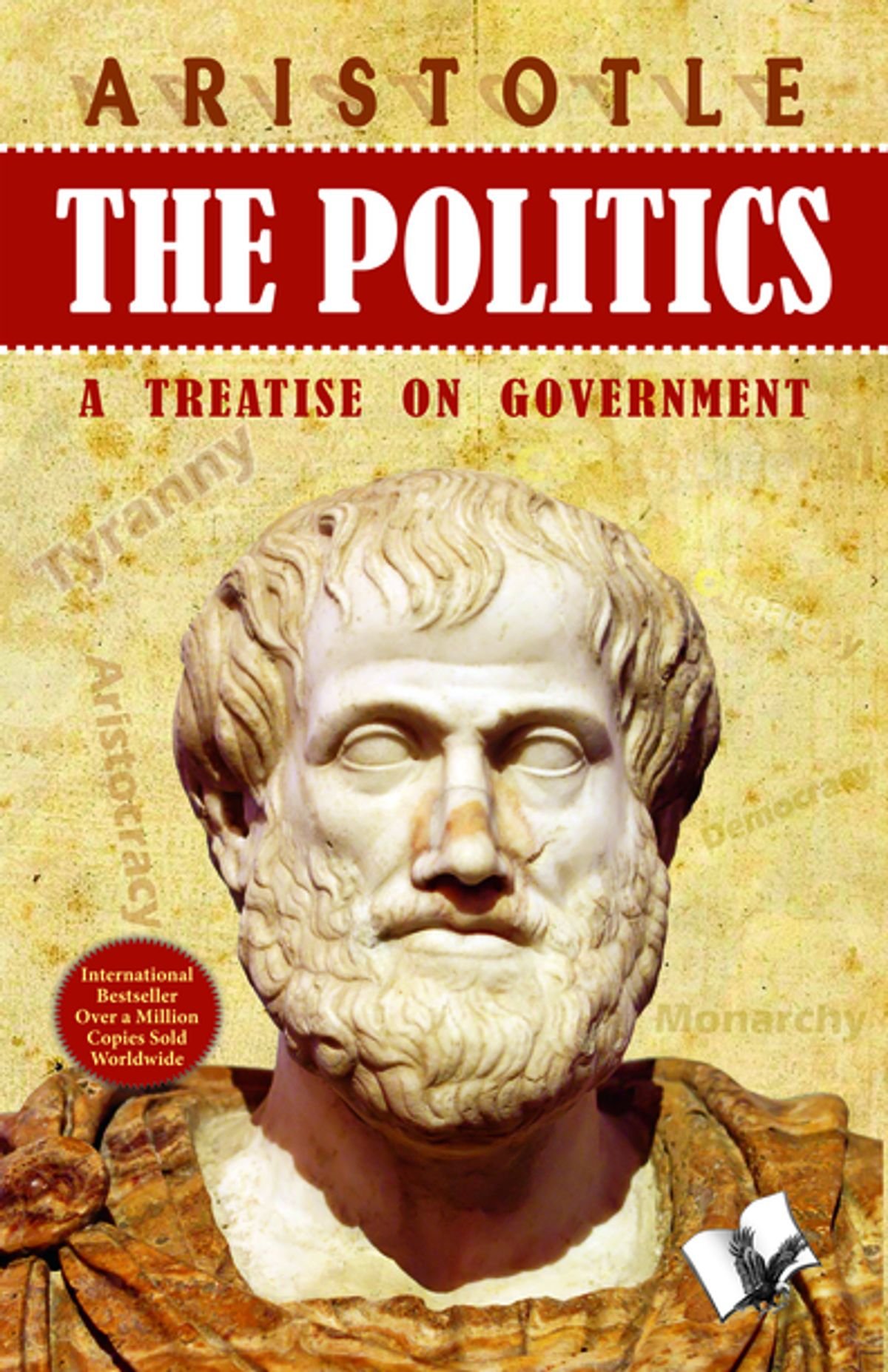
Aristotle – Politics (PDF), 232 pages
Summary by AI
Politics by Aristotle (c. 335–323 BCE) is considered the founding text of political science. Unlike the utopian visions of his teacher Plato, Aristotle used an empirical approach, analyzing 158 Greek city-state constitutions to understand how governments actually function and why they succeed or fail.
The Nature of the State
- “Man is by nature a political animal”: Aristotle famously argued that humans are social beings who can only reach their full potential (virtue and happiness) by participating in a polis (city-state).
- The State as Natural: He viewed the state as the natural end of a progression from the household to the village and finally the city-state, which is the first “self-sufficient” community.
- Purpose of Governance: For Aristotle, the goal of a state is not just survival or economic gain, but eudaimonia (human flourishing) and the fostering of virtue in its citizens.
Classification of Governments
Aristotle categorized governments based on two criteria: who rules (one, few, or many) and for whose benefit (the common good or the rulers’ self-interest).
| Number of Rulers | “Correct” Form (Common Good) | “Deviant” Form (Self-Interest) |
|---|---|---|
| Rule by One | Kingship/Monarchy | Tyranny |
| Rule by a Few | Aristocracy | Oligarchy (rule by the rich) |
| Rule by the Many | Polity (Mixed Government) | Democracy (mob rule/rule by the poor) |
- The Practical Ideal (Polity): While he admired monarchy and aristocracy in their ideal forms, Aristotle considered a Polity—a mixed constitution balancing democratic and oligarchic elements—the most stable and practical form of government.
- The Middle Class: He emphasized that a strong middle class is essential for stability because it acts as a buffer between the extremes of the very wealthy and the very poor, preventing radical revolutions.
Key Themes & Controversies
- Justice: He distinguished between distributive justice (fairness based on merit) and corrective justice (rectifying wrongs).
- Revolution: Aristotle identified the desire for equality (or the belief in one’s superiority) as the primary cause of political instability and revolution.
- Slavery and Women: In a view widely rejected today, Aristotle defended “natural slavery,” arguing some people were inherently incapable of self-governance. He also viewed women as having limited rational capacity and believed they should remain subordinate in the household.
- Property: He criticized Plato’s idea of communal property, arguing that private property is more natural and encourages people to take better care of their possessions while still advocating for its “common use” to help others.












 – DK
– DK – DE
– DE – EN
– EN
Rishikime
Nuk ka rishikime ende.