 [ Libra NëLinjë ]
Përshkrimi
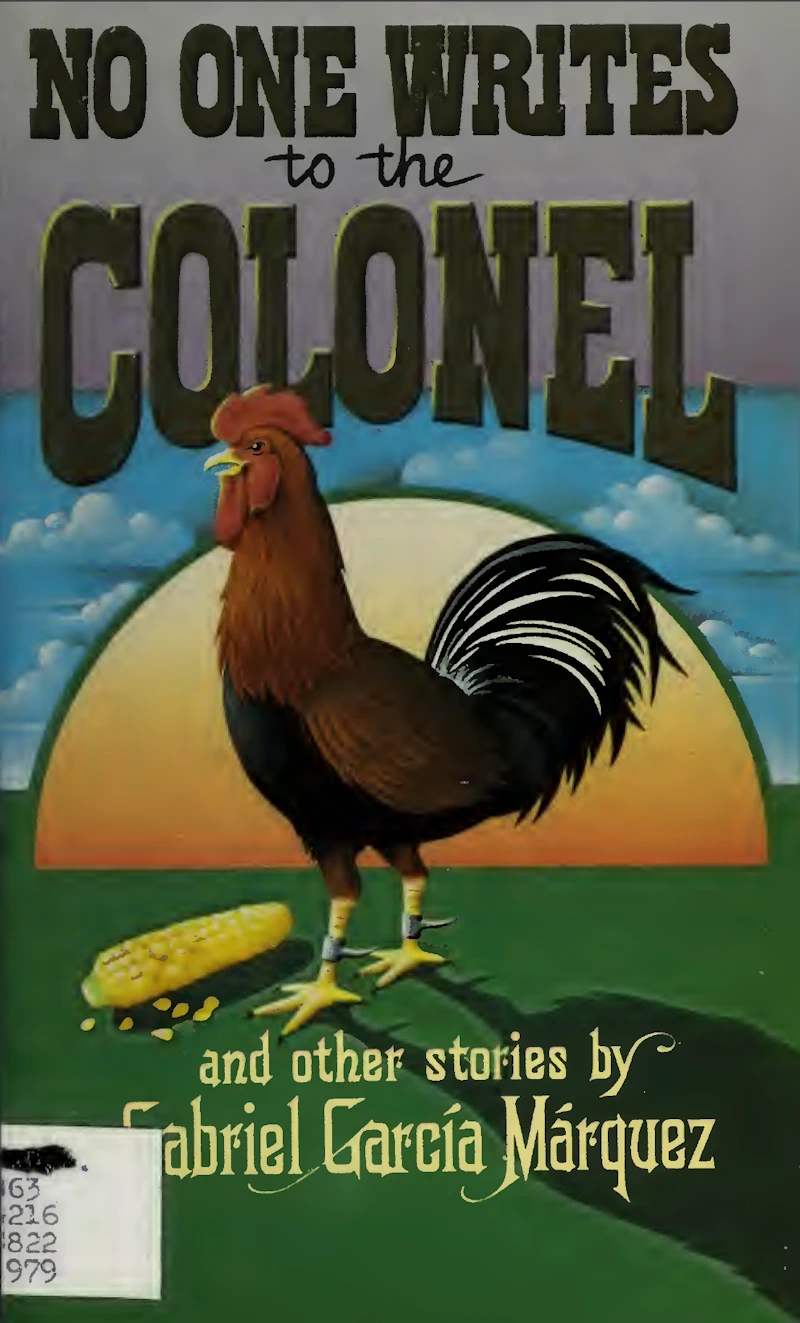
Gabriel Garcia Marquez – No One Writes to the Colonel
(Kolonelit s’ka kush i shkruan) në PDF, 180 faqe në Anglisht.
Është një nga librat interesantë të Gabriel Garcia Marquez,
ku autori sqaron gjendjen e mjerë të një koloneli, të cilin e kanë harruar autoritetet…
[ Blej librin në shqip ! ]
Kjo kopje është marrë falas nga një publikim në PDF online.
“No One Writes to the Colonel” is a novella by Gabriel García Márquez, published in 1961, that portrays the quiet desperation of an aging colonel and his wife as they wait endlessly for a pension that never arrives. It is one of Márquez’s most poignant works, focusing less on magical realism and more on stark social reality.
📖 Plot Overview
- The story follows an elderly colonel and his asthmatic wife living in a small Colombian town under martial law.
- Their son, Agustín, has been killed for distributing subversive literature.
- The colonel, who fought in the Thousand Days’ War, was promised a government pension. For 15 years, he has gone to the post office every Friday, waiting for a letter that never comes.
- The couple lives in extreme poverty, scraping together food and coffee, while clinging to hope.
- Their only asset is a rooster, which the villagers admire and plan to bet on in upcoming cockfights. The rooster becomes a symbol of hope and dignity.
✨ Themes
- Hope vs. despair: The colonel’s unwavering belief that his pension will arrive contrasts with the crushing reality of bureaucracy and neglect.
- Poverty and dignity: Despite hunger and hardship, the colonel refuses to sell the rooster, seeing it as a symbol of resistance and pride.
- Political corruption: The novella critiques the indifference of government institutions toward veterans and ordinary citizens.
- Isolation: The title itself reflects the colonel’s solitude — no one writes to him, no one remembers his sacrifice.
🌍 Style and Significance
- Unlike One Hundred Years of Solitude, this novella is realist, stripped of magical elements, focusing instead on the banality of suffering.
- It is considered one of Márquez’s most intimate and minimalist works, showing how political neglect erodes personal lives.
- The ending is famously ambiguous: when asked what they will eat while waiting for the pension, the colonel replies simply, “We’ll eat shit.” This stark line encapsulates both despair and defiance.
📌 Why It Matters
- The novella is a social critique of Colombia in the mid-20th century, highlighting the struggles of forgotten veterans and the failures of government promises.
- It demonstrates Márquez’s versatility: while he is best known for magical realism, here he uses plain realism to deliver a powerful political and human message.









 – DK
– DK – DE
– DE – EN
– EN
Rishikime
Nuk ka rishikime ende.