 [ Libra NëLinjë ]
Përshkrimi
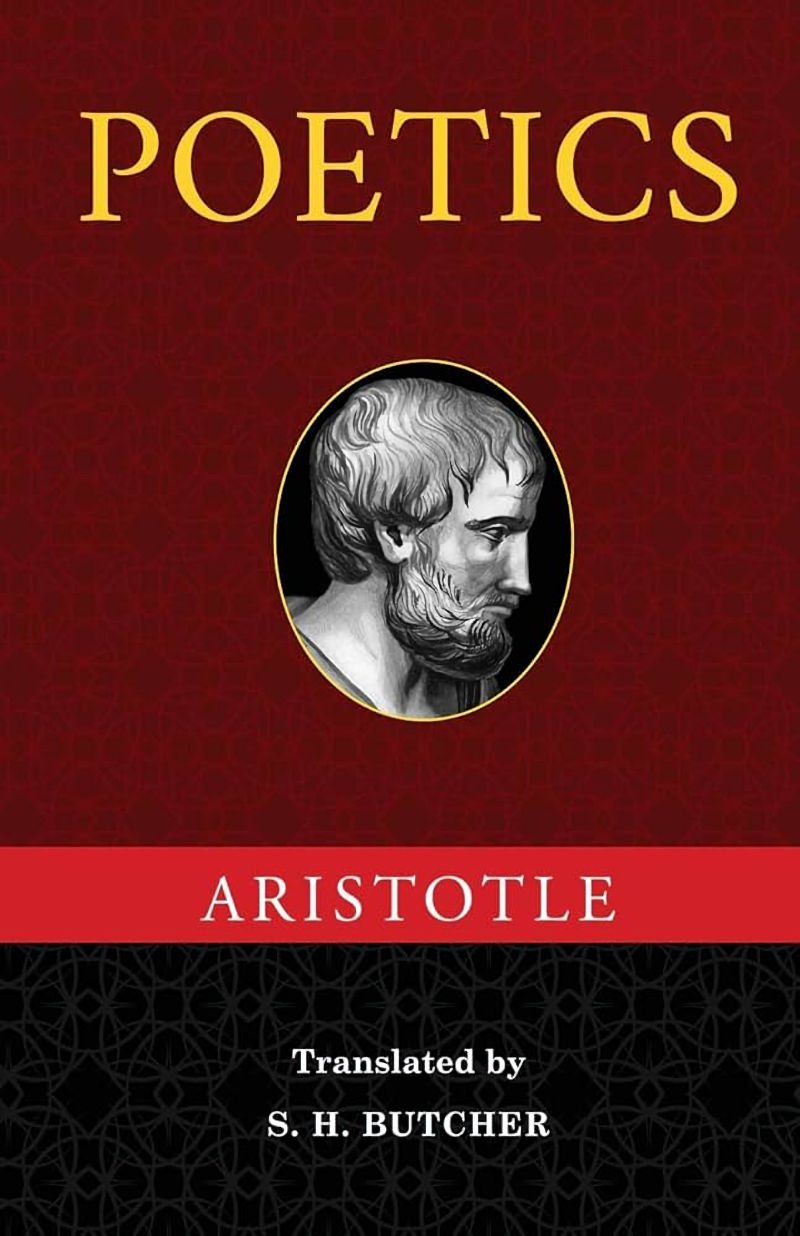
Aristotle – Poetics (PDF) 50 pages
Summary by AI
Aristotle’s Poetics, written around 335 BCE, is the earliest surviving work of Greek dramatic theory and the foundational text for Western literary criticism. While it originally addressed epic, tragedy, and comedy, only the portion focused on tragedy survives in full.
Core Concepts
- Mimesis (Imitation): Aristotle argues that art is a form of “imitation” or representation of life. Unlike his teacher Plato, who saw art as a deceptive “copy of a copy,” Aristotle believed mimesis is a natural human instinct used for learning and experiencing universal truths.
- Catharsis (Purgation): The primary goal of a tragedy is to evoke “pity and fear” in the audience and then provide a “cleansing” or release of these emotions, a process known as catharsis.
- The Tragic Hero & Hamartia: A successful tragic protagonist is neither perfectly virtuous nor purely evil, but a “man like ourselves” who falls from prosperity to adversity due to hamartia—often translated as a “fatal flaw,” but more accurately described as a “mistake” or “error in judgment”.
The Six Elements of Tragedy
Aristotle ranked the components of a tragedy by importance:
- Plot (Mythos): The most critical element, defined as the “soul” of tragedy. It must have a beginning, middle, and end, following a logical chain of “probability or necessity”.
- Character (Ethos): Characters should be good, appropriate (true to their station), realistic, and consistent.
- Thought (Dianoia): The themes or arguments expressed through characters’ speeches.
- Diction (Lexis): The specific choice of words and style of expression.
- Song (Melos): The musical elements, which should be an integral part of the plot rather than just a decorative interlude.
- Spectacle (Opsis): The visual elements (costumes, scenery). Aristotle considered this the least important, as a good tragedy should move the audience even when read aloud.
Key Narrative Techniques
- Peripeteia (Reversal): A sudden change by which the action veers round to its opposite.
- Anagnorisis (Recognition): A moment of discovery where a character moves from ignorance to knowledge (e.g., Oedipus realizing his true parentage).
- Unity of Action: A plot should focus on a single, complete action. Later critics misinterpreted Aristotle to demand “Three Unities” (time, place, and action), but Aristotle only explicitly required the Unity of Action.
Why Tragedy Beats Epic
Aristotle argued that tragedy is superior to epic poetry because it is more concentrated, achieves its effect in a shorter time, and includes the “intense pleasures” of music and spectacle.









 – DK
– DK – DE
– DE – EN
– EN
Rishikime
Nuk ka rishikime ende.