 [ Libra NëLinjë ]
Përshkrimi
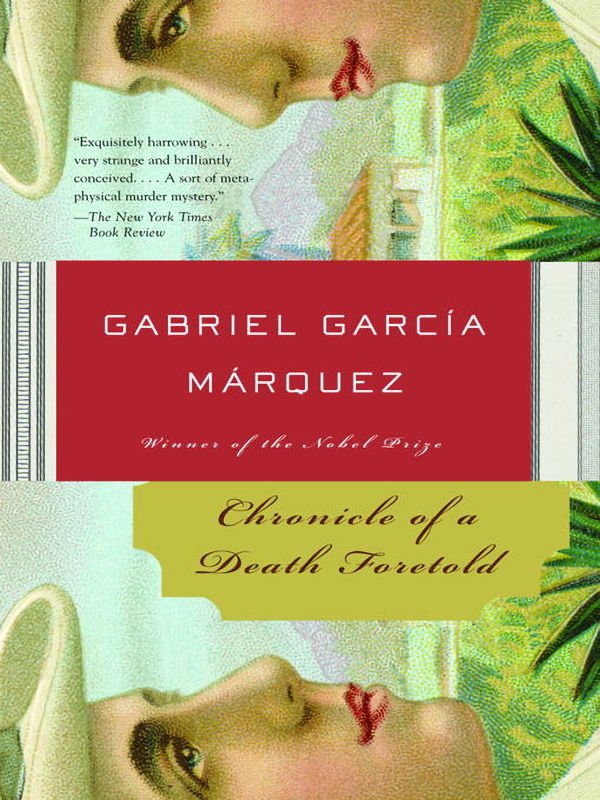
Gabriel García Márquez – Chronicle of a death foretold (PDF) – 130 pages
The famous book from the Great master in English.
You can purchase the book in Albanin here!
AI about this book:
Chronicle of a Death Foretold (Spanish: Crónica de una muerte anunciada) is a non-linear 1981 novella by Nobel Laureate Gabriel García Márquez that pieces together the brutal murder of Santiago Nasar. The plot mimics a journalistic investigation, occurring 27 years after twin brothers Pablo and Pedro Vicario publicly slaughter Nasar to restore their family’s honor. [1, 2]
-
- The Return: Bayardo San Román returns his new bride, Ángela Vicario, on their wedding night after discovering she is not a virgin.
- The Accusation: Under pressure from her family, Ángela names Santiago Nasar as her lover, though the book never confirms this claim.
- The Declaration: Ángela’s twin brothers announce to the entire town their explicit intention to kill Nasar.
- The Execution: Despite the widespread warning, a web of bureaucratic delays, systemic indifference, and chance prevents anyone from stopping the murder.
- The Reconstruction: An unnamed narrator returns decades later to interview surviving townsfolk and review legal documents. [1, 2, 3, 4, 5, 6]
Core Themes
-
- Collective Complicity: The novel serves as a psychological critique of a community that allows a tragedy to occur because they expect someone else to intervene. [1, 2]
- The Honor Code: Rigid social and cultural expectations dictate that blood must wash away shame, forcing the twins into a crime they arguably did not want to commit. [1, 2, 3]
- Unreliable Memory: Witnesses provide contradictory reports of the weather and timeline, demonstrating the impossibility of retrieving a single, objective truth. [1]
Literary Context
García Márquez expertly blends real-life reporting techniques with elements of magical realism. He based the book on a real 1951 murder in Sucre, Colombia, involving his own godchild, Cayetano Gentile Chimento. By subverting standard detective novel tropes, the narrative reveals the killers in the opening sentence, choosing to explore why the town allowed it to happen rather than who did it.









 – DK
– DK – DE
– DE – EN
– EN
Rishikime
Nuk ka rishikime ende.