 [ Libra NëLinjë ]
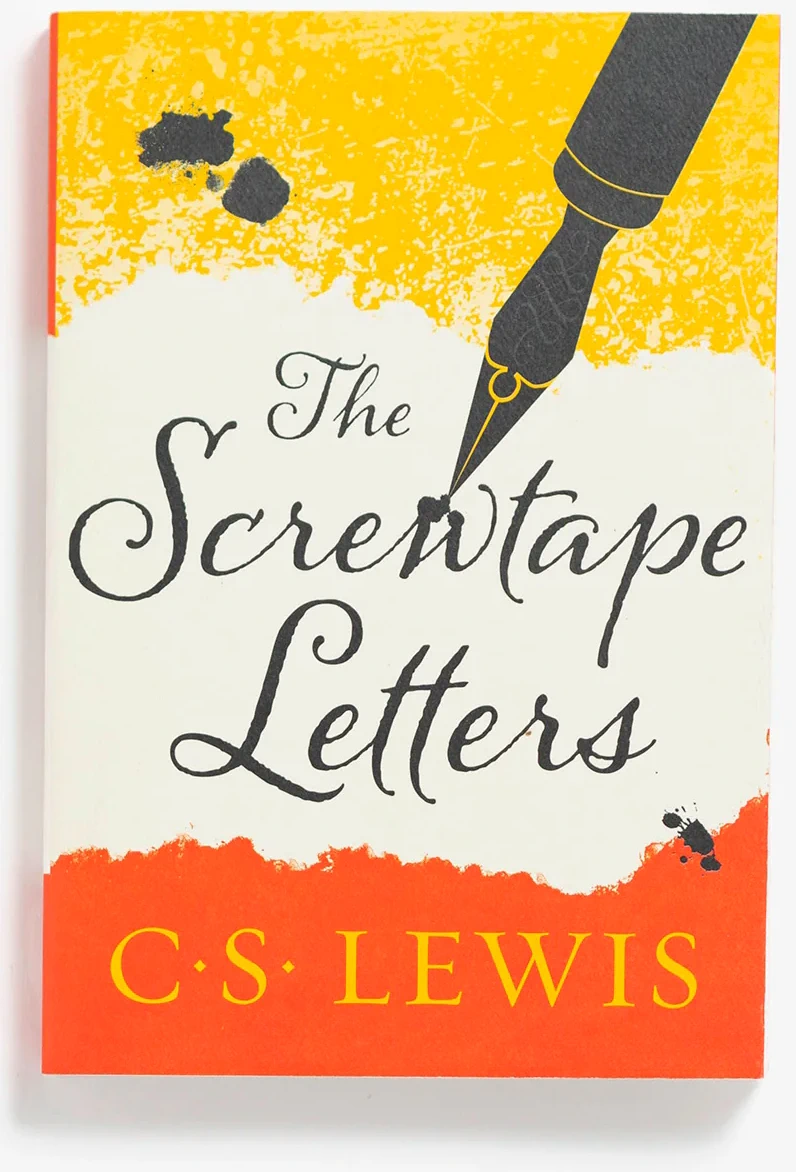
Përshkrimi
C.S. Lewis – The Screwtape Letters (PDF), 170 pages
Summary by AI
Published in 1942, The Screwtape Letters by C.S. Lewis is a satirical Christian apologetic novel. It is written as a series of 31 letters from a senior demon, Screwtape, to his young nephew, Wormwood, advising him on the best methods to corrupt a mortal “patient” and secure his damnation.
Core Concept and Characters
Perspective Inversion: Lewis uses “reverse theology,” where God is referred to as “the Enemy” and Satan as “Our Father Below”.
The Bureaucracy of Hell: The story describes Hell as a cold, administrative “Lowerarchy” run like a business or government agency.
The Protagonists: Screwtape is a cunning, veteran tempter, while Wormwood is often portrayed as incompetent and overly eager for dramatic, obvious sins.
Key Themes
The Subtlety of Evil: Screwtape famously argues that the most effective way to lead someone to Hell is not through major crimes, but through “the gentle slope” of small, everyday compromises and distractions.
Human Hybridity: Demons are fascinated and repulsed by the fact that humans are part animal (physical) and part spirit, making them susceptible to both carnal temptations and spiritual growth.
The Failure of Temptation: Ultimately, the “patient” finds salvation after dying in an air raid during World War II, illustrating the triumph of grace and faith over demonic effort.
Legacy and Adaptations
Continuing Relevance: As of 2026, the book remains a staple of spiritual literature, often praised for its psychological insight into human behavior.
Sequel: Lewis wrote a short follow-up in 1959 titled Screwtape Proposes a Toast, which critiques modern education and social trends.
Performances: The book has been famously adapted into audio dramas, notably featuring John Cleese (whose version was a Grammy finalist) and Andy Serkis.
Public Domain: The work is scheduled to enter the public domain in the UK on January 1, 2034.






 – DK
– DK – DE
– DE – EN
– EN
Rishikime
Nuk ka rishikime ende.